Serving Your International Customers: Strategies for Multilingual AI Chatbot Support
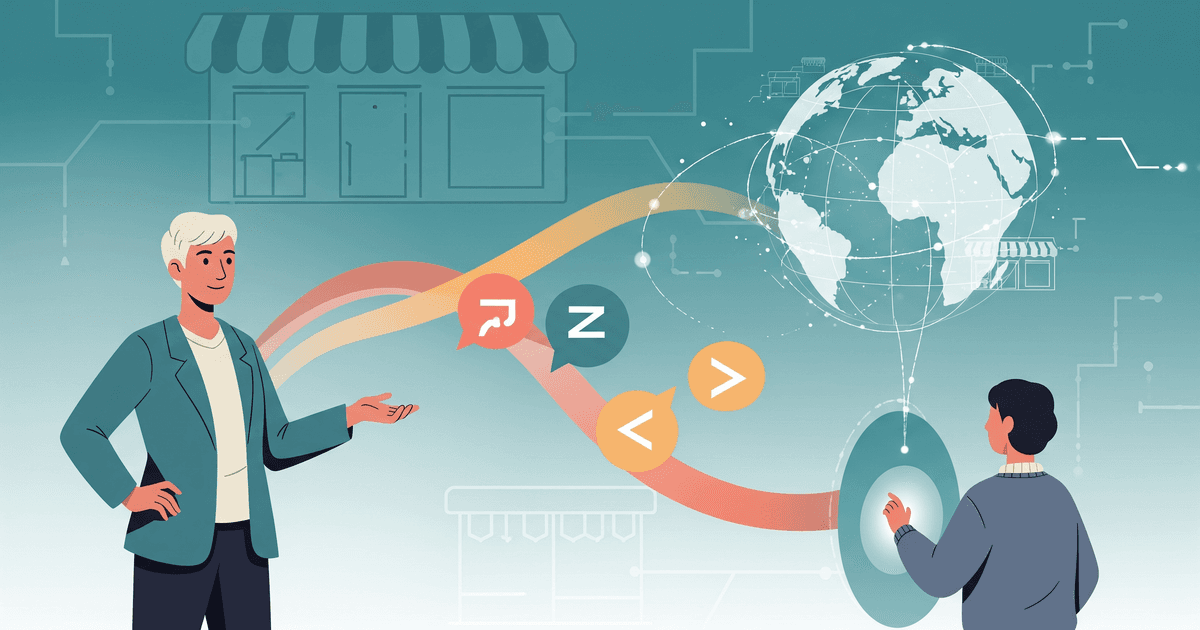
In an increasingly globalized world, the ability to communicate effectively with customers across language barriers is crucial. Traditional customer service often struggles to scale this, but AI-powered chatbots offer a powerful solution. This article explores how businesses can leverage multilingual AI chatbots to enhance customer experience, expand market reach, and streamline support operations, regardless of the customer's preferred language.
The challenge of language barriers in international customer service
As businesses expand beyond their domestic markets, they quickly encounter a complex challenge: how to provide first-class customer service in a multitude of languages? Hiring support agents for every language is costly and difficult to scale. The result is often longer waiting times, misunderstandings, and an inconsistent customer experience for non-English speaking customers.
This not only leads to frustration but can also directly impact sales and brand loyalty. Customers expect quick and accurate answers in their native language, and if they don't receive it, they are likely to turn to a competitor who can provide it. An ineffective multilingual strategy can thus become a significant bottleneck for global growth.
How AI chatbots bridge the language gap
AI chatbots have revolutionized the way businesses handle customer service, and their multilingual capabilities are no exception. By leveraging advanced Natural Language Processing (NLP), chatbots can automatically identify the customer's language and respond accordingly. This means a single chatbot can serve customers from various countries, 24/7, without requiring human intervention for every interaction.
The benefits are numerous: Immediate availability eliminates waiting times, consistent answers ensure all customers receive the same quality of information, and cost-effectiveness enables SMBs to compete with larger players on the global stage. The chatbot can also act as a 24/7 sales assistant guiding international prospects through the buying process in their preferred language.
Key strategies for implementing multilingual chatbots
To succeed with a multilingual chatbot, a well-thought-out strategy is crucial. Here are some key points:
- Content localization: It's not just about direct translation. Content must be adapted to cultural nuances and local expressions. This requires investing in writing effective content for each language, not just translating English text word for word.
- Language detection and routing: The chatbot should automatically be able to identify the language the user is typing in and respond in the same language. For Chatly, this means your chatbot can be trained on content in multiple languages, and it will prioritize responding in the language the question is asked.
- Continuous training and improvement: Just like with monolingual chatbots, training your chatbot is an ongoing process. Monitor conversations across languages to identify areas for improvement and ensure accuracy in all language versions.
- Handling complex inquiries: Even the best chatbot will encounter questions it cannot answer. Establish clear guidelines for when and how conversations should be escalated to human agents, and ensure these agents have the necessary language skills.
Avoiding common pitfalls
While the benefits of multilingual chatbots are significant, there are also pitfalls to avoid:
- Translation traps: Do not blindly rely on machine translation for everything. Important, brand-sensitive, or legal content should always be quality-checked by a human translator to avoid embarrassing or harmful errors.
- Lack of context: A chatbot trained on one language may struggle to understand the context in another, even with translation. Ensure that training data for each language is rich and relevant to the specific market.
- Ignoring local preferences: Some markets prefer formal communication, others informal. Tone and style must be adapted to resonate with the local customer base. A "one-size-fits-all" approach will rarely work optimally.
- Lack of integration: A multilingual chatbot should integrate seamlessly with your existing systems, such as CRM and knowledge bases, to provide a holistic and efficient customer experience across all languages.
Chatly: Your partner for global customer service
Chatly is designed to help businesses scale their customer service effectively, including across languages. By allowing you to train your chatbot on your own content – whether it's websites, PDFs, or structured data – in multiple languages, Chatly ensures your international customers receive accurate and relevant answers in their preferred language.
Our platform supports seamless integration and automatic language detection, making it easy to provide a unified and high-quality customer experience globally. With Chatly, you can expand your reach, improve customer satisfaction, and free up your team to focus on more complex tasks, no matter where your customers are located.
Ready to enhance your international customer service and serve customers in their preferred language? Explore Chatly's plans today and see how we can help your business succeed globally.